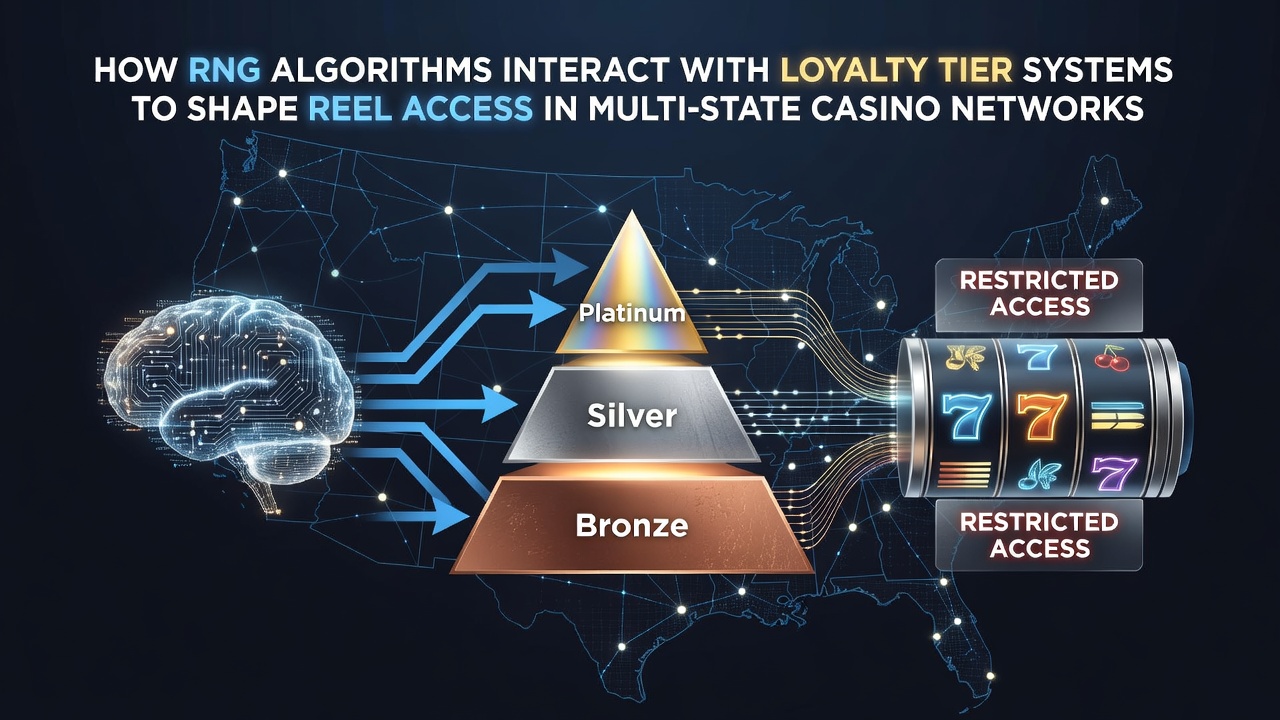
RNG Algorithms and Loyalty Tiers Combine to Determine Reel Access Across Interstate Casino Networks
Multi-state casino operators have integrated random number generator systems with player loyalty databases in ways that directly control which reel configurations appear for individual accounts, and data from regulatory filings show this integration expanded further during October 2026 updates across several jurisdictions. The mechanism begins when a player's tier level feeds into the central server, which then adjusts the RNG seed parameters or symbol weighting tables before each spin cycle initiates.
Core Technical Interaction Between RNG and Tier Data
Random number generators operate by producing sequences of values that map to reel stops, yet when loyalty tier information enters the equation the generator receives modified probability tables that correspond to the player's current status level. Higher tiers often trigger access to reel sets containing additional high-value symbols or altered volatility profiles, while entry-level accounts receive standard configurations drawn from the base RNG pool. This linkage occurs through secure API calls between the casino management system and the RNG hardware or software module, with each transaction logged for compliance audits.
Data Flow in Practice
Operators route player identification through a central hub that queries the loyalty database in real time, then passes tier-specific modifiers to the RNG engine before the next game round begins. Studies conducted by research teams at the University of Nevada, Reno indicate that these modifiers can shift symbol distribution by as much as 12 percent between tier brackets without altering the certified return-to-player percentage. The process maintains mathematical fairness because the underlying RNG remains certified, but the reel mapping changes based on tier input.
Networked casinos spanning multiple states synchronize these tier-adjusted RNG outputs through shared servers that respect each jurisdiction's separate regulatory requirements. A player moving from one state property to another sees their tier data travel with them, so the reel access rules remain consistent even as local compliance layers apply additional filters.
Regulatory Oversight Across Jurisdictions
State gaming control boards require operators to document every instance where loyalty tier data influences RNG output, and figures released by the Nevada Gaming Control Board reveal more than 4.2 million such documented adjustments occurred in the first nine months of 2026. Auditors examine both the RNG certification and the loyalty system integration to confirm that no unauthorized changes bypass established testing protocols. Similar reporting obligations exist in New Jersey and Pennsylvania, where regulators review the same data streams on a quarterly basis.
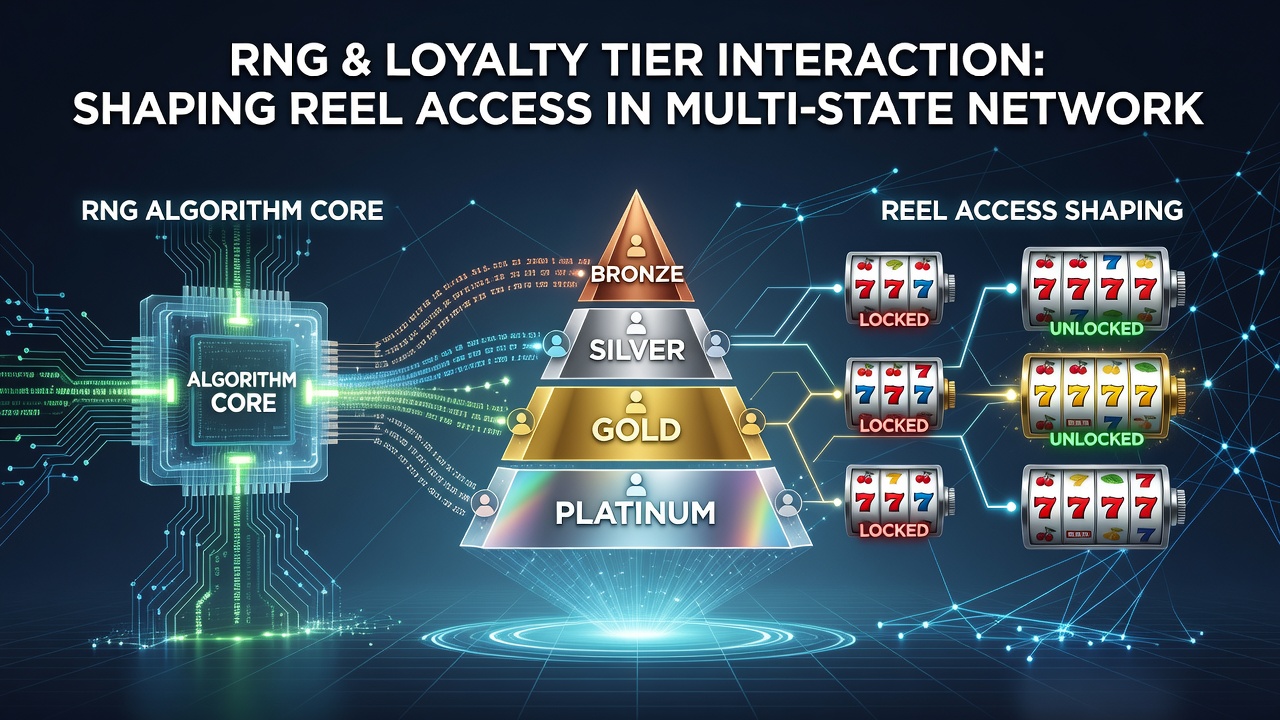
Industry reports from the American Gaming Association note that these combined systems allow operators to offer differentiated experiences while staying within certified parameters. The tier data does not alter the RNG itself but selects from pre-approved reel libraries that each carry their own independent certification. This layered approach keeps the core randomness intact while granting higher-tier players access to alternate symbol sets.
Network Synchronization Challenges
Multi-state operators face technical hurdles when loyalty tier updates must propagate across properties located in different regulatory zones. Latency between servers can create brief windows where a player receives reel access based on outdated tier information, although most systems now employ real-time replication protocols that reduce such delays to under 200 milliseconds. Research published by the International Centre for Gaming Regulation at the University of Las Vegas highlights how these synchronization methods evolved between 2024 and late 2026 to handle increasing player volumes.
Security protocols encrypt the tier-to-RNG data exchange at multiple points, and any interruption triggers an automatic fallback to base reel configurations until the connection restores. This safeguard prevents incomplete tier data from producing unexpected outcomes that could affect game integrity.
Player Experience Patterns Observed in 2026
Transaction logs from major operators demonstrate that players who advance through loyalty tiers encounter progressively different reel behaviors within the same game title. The changes manifest as variations in symbol frequency or bonus feature triggers rather than direct payout modifications. Observers tracking these patterns across state lines report that the system maintains overall return percentages while redistributing risk and reward profiles according to tier status.
October 2026 brought software patches that further refined how loyalty data interacts with RNG seed initialization, allowing smoother transitions when players move between properties. These updates also introduced additional logging fields that regulatory bodies now require for cross-state audits.
Conclusion
The combination of RNG algorithms and loyalty tier systems creates a structured method for delivering varied reel access in multi-state casino networks while preserving certified randomness and regulatory compliance. Data from multiple oversight agencies confirm that the technical integration relies on pre-approved reel libraries selected by tier modifiers rather than direct alteration of random sequences. As networks continue to expand, the documented processes ensure consistent application of these rules across jurisdictions.