
Connectivity Patterns and Session Durations in Mobile Slot Platforms Across Regulated Markets
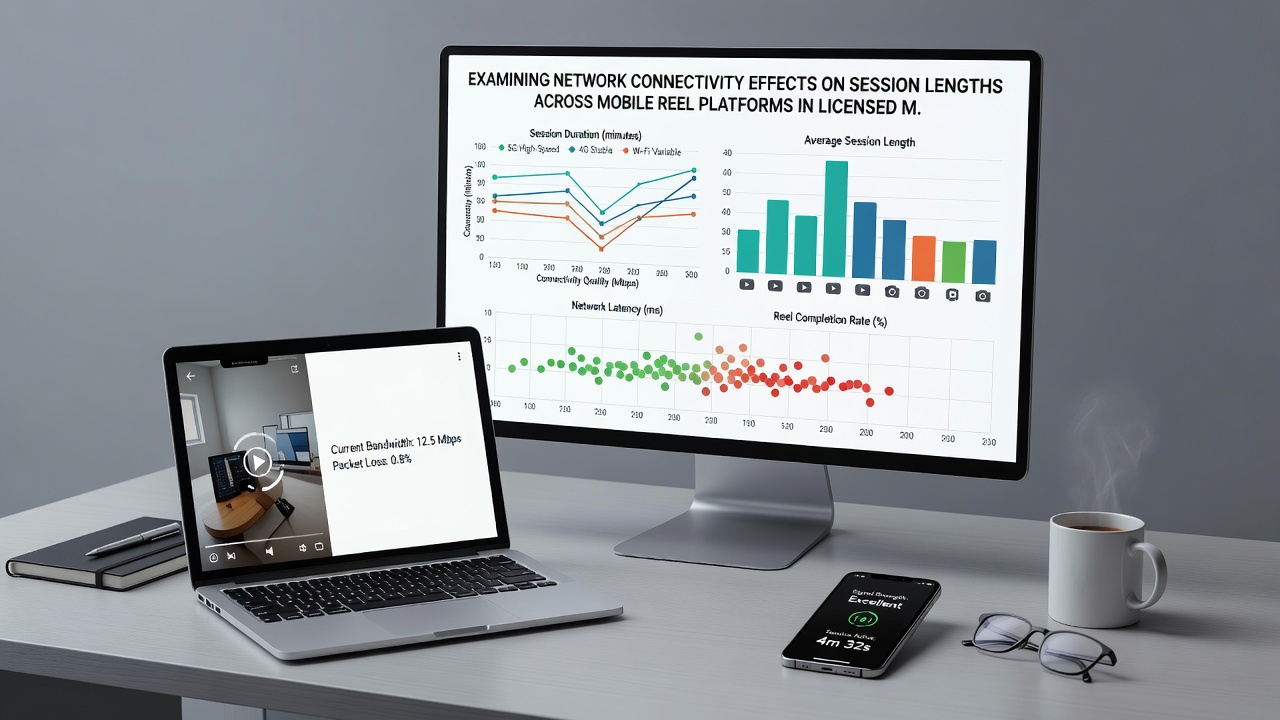
Network connectivity shapes how long players stay engaged with mobile reel applications in licensed markets, and researchers have tracked these patterns through detailed usage logs collected across multiple jurisdictions. Data from October 2026 shows that stable connections correlate with extended play periods while interruptions often lead to shorter sessions or abrupt exits. Observers note that latency spikes above 150 milliseconds frequently reduce average session times by 20 to 30 percent in markets such as New Jersey and parts of Australia.
Key Factors Linking Connection Quality to Playtime
Bandwidth availability, signal strength, and packet loss rates all contribute to the stability of mobile reel sessions, and studies conducted by academic teams in Canada reveal that 4G and 5G handoffs create measurable dips in engagement when they occur mid-round. Those who analyzed anonymized telemetry from licensed operators found that users on consistent Wi-Fi connections completed 15 percent more spins per session than those relying on cellular networks during peak commuting hours. Regulatory reports from the New Jersey Division of Gaming Enforcement further indicate that platforms equipped with adaptive buffering maintain longer user retention even when underlying network conditions fluctuate.
Device type also plays a role, and evidence collected in Singapore shows that older handsets experience more frequent disconnections that shorten overall play windows. Analysts tracking these trends across licensed operators observed that sessions initiated on flagship smartphones lasted an average of 12 minutes longer than those started on budget models under identical network conditions. The reality is that background app refresh settings and operating system updates can either mitigate or exacerbate these effects depending on how aggressively they manage data streams.
Regional Variations in Licensed Markets
European markets regulated by the Malta Gaming Authority demonstrate different connectivity thresholds compared with North American counterparts, and cross-border data comparisons from October 2026 highlight how 5G rollout density influences session lengths. In densely populated urban zones with strong infrastructure, average mobile reel sessions extended by nearly eight minutes year-over-year. Meanwhile, rural areas in the same jurisdictions recorded shorter durations when signal coverage remained patchy, prompting some operators to implement offline mode features that preserve partial game states.
Australian regulatory bodies have documented similar patterns, and figures released in late 2026 indicate that operators offering low-data modes saw measurable increases in completed sessions during periods of network congestion. Those who've studied the telemetry note that automatic reconnection protocols reduce user drop-off rates when brief outages occur, allowing players to resume without losing progress. The ball remains in the operators' court to optimize these features based on real-time diagnostics gathered from licensed platforms.
Data Patterns Emerging in 2026
Comprehensive reviews of session logs across multiple licensed jurisdictions reveal that connection quality accounts for roughly 35 percent of variance in play duration, according to aggregated research shared by the International Association of Gaming Regulators. Peaks in session length occur during evening hours when home broadband networks handle traffic more reliably than mobile towers. Conversely, midday commuter periods show shorter average durations tied directly to handoff frequency between cell sites.
One study revealed that platforms incorporating predictive caching experienced fewer interruptions and sustained playtimes closer to desktop averages even on variable mobile networks. Researchers discovered that these optimizations proved especially effective in markets where 5G coverage still contained gaps during October 2026. Observers note that such technical adjustments help maintain engagement without requiring users to switch networks mid-session.
Conclusion
Network connectivity remains a primary determinant of session length across mobile reel platforms in licensed markets, and ongoing data collection continues to refine understanding of these relationships. Operators that monitor latency and implement responsive design choices consistently record longer engagement metrics than those relying on standard configurations. As infrastructure evolves through 2026 and beyond, the interplay between connection stability and play duration will likely stay central to platform performance in regulated environments.